US awaits Iran ceasefire response as Rubio meets Qatari mediators
The United States was waiting for Iran to deliver a formal ceasefire proposal on Saturday as Secretary of State Marco Rubio met Qatari Prime Minister Mohammed bin Abdulrahman al-Thani in Miami. A Qatari LNG tanker crossed the Strait of Hormuz in a confidence-building test.
The United States was waiting for Iran to deliver a formal ceasefire proposal on Saturday as Secretary of State Marco Rubio met Qatari Prime Minister Mohammed bin Abdulrahman al-Thani in Miami, the latest diplomatic effort to halt more than two months of military exchanges in the Gulf.
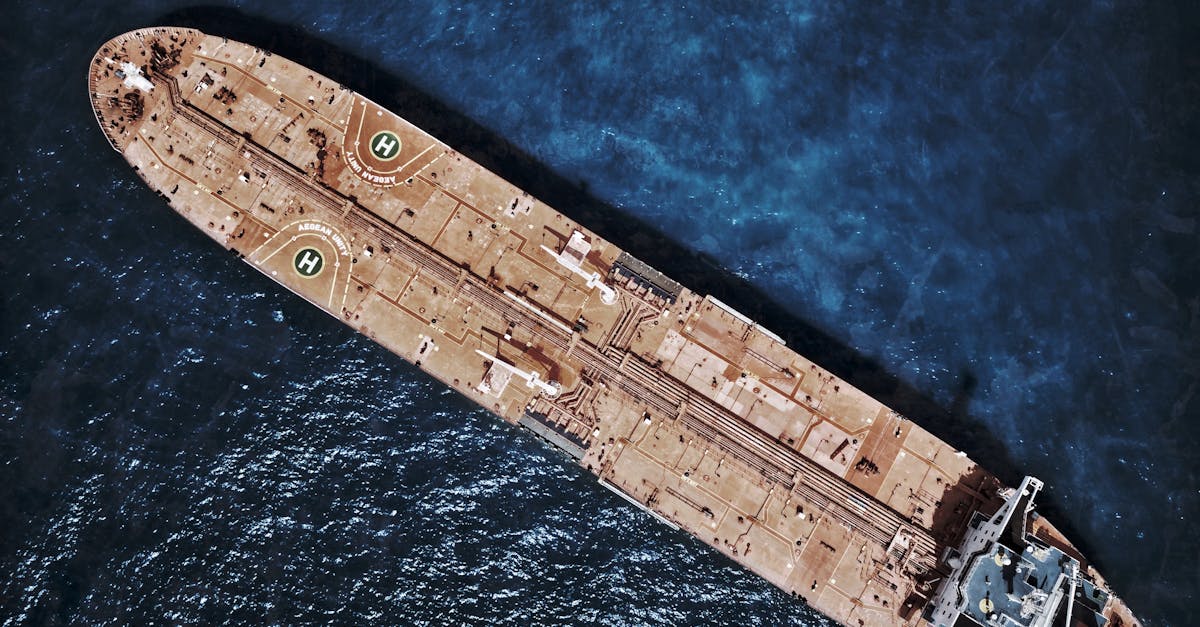
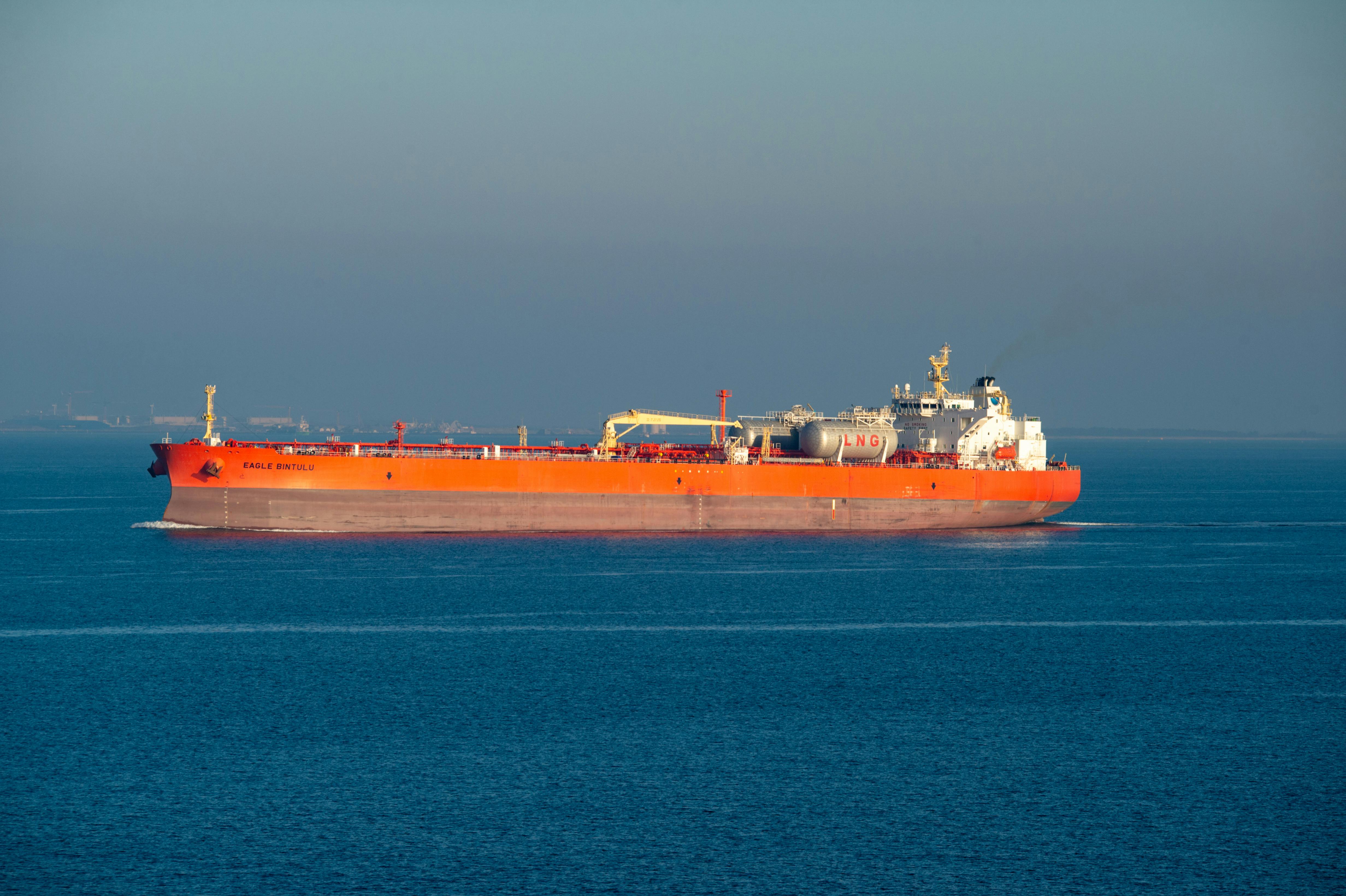
White House envoy Steve Witkoff joined the session. The talks focused on a Qatari-mediated plan under which Doha would shuttle proposals between Washington and Tehran. A Qatari liquefied natural gas tanker bound for Pakistan crossed the Strait of Hormuz over the weekend, the first passage by a vessel from the Gulf state since the conflict erupted in late February. Iran approved the transit as a confidence-building gesture toward mediators in Qatar and Pakistan, according to a person briefed on the discussions.
The April 7 ceasefire continues to hold, President Donald Trump said this week, but fighting flared again in recent days. On Friday, US forces struck two Iran-linked vessels attempting to reach an Iranian port. The United Arab Emirates intercepted ballistic missiles and drones fired from Iran the same day. The Treasury Department separately imposed sanctions on 10 individuals and entities, including networks in China and Hong Kong, that it said were helping Iran procure drone components.
Foreign Minister Abbas Araqchi accused Washington of undermining its own diplomatic track. “Every time a diplomatic solution is on the table, the U.S. opts for a reckless military adventure,” Araqchi said in remarks carried by Iranian state media.
The Islamic Revolutionary Guard Corps Navy threatened on Saturday to hit back at American positions in the region if US forces target Iranian commercial shipping. “Any attack on Iranian tankers and commercial vessels will result in a heavy attack against one of the American centers in the region and enemy ships,” the IRGC said in a statement.
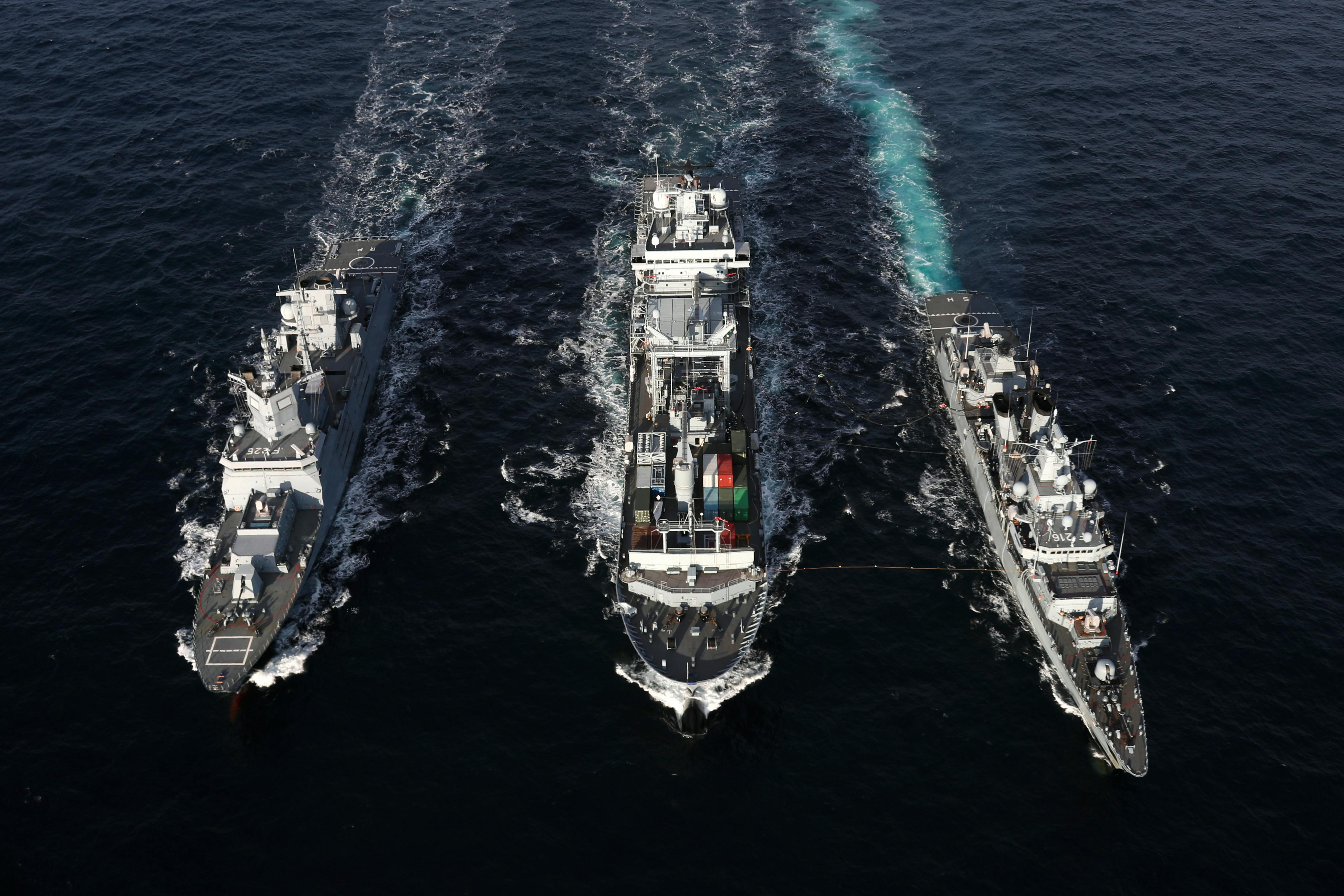
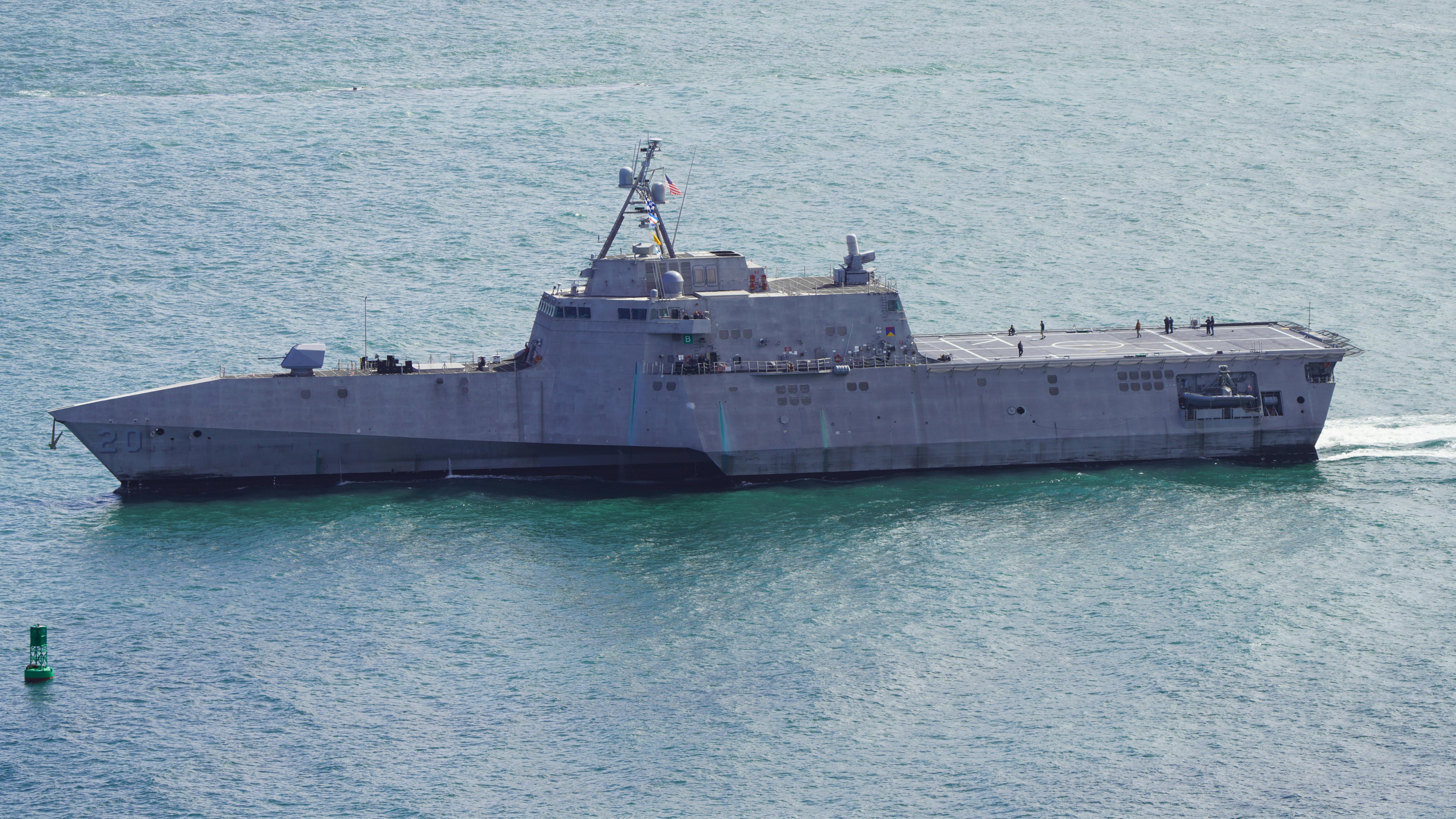
The escalation over the past week has been rapid. On Tuesday, a US Navy F/A-18 Super Hornet used its 20 mm cannon to disable the rudder of an Iranian tanker. Iranian forces launched missiles and drones at three US destroyers the following day. Trump suspended Operation Project Freedom, the American maritime escort mission, on Monday, four days after US warships began shepherding non-Iranian vessels through the strait. US Central Command says it has redirected 58 commercial ships and disabled four vessels with gunfire since the blockade of Iranian ports began on April 13. The escort mission, launched May 4, was suspended after less than 48 hours.
The LNG test
The Qatari LNG carrier was the first practical test of whether Tehran would permit neutral commercial traffic through the waterway under the ceasefire. The Strait of Hormuz carries about 20 per cent of global oil supply. Iran has maintained a general closure to non-Iranian shipping since the blockade began, and the disruption has helped push crude prices above $102 a barrel. The International Energy Agency warned this week that the resulting energy volatility is likely permanent even if the strait reopens.
Trump formally notified Congress on May 1 that hostilities had “terminated” under the 1973 War Powers Resolution, satisfying the 60-day deadline for congressional authorisation. The notification did not match the reality on the water, where the US military has continued to intercept and disable Iranian vessels.
Diplomacy in motion
Rubio had said on Thursday that the administration expected Iran to deliver its proposal by May 8. That deadline passed without a response. Saturday meeting in Miami with the Qatari prime minister was a second attempt to restart the talks.
Iran UN Ambassador Amir-Saeid Iravani sent a letter to the United Nations arguing that US military actions violate both the ceasefire terms and the UN Charter. European allies are searching for common ground with Washington on two parallel tracks: Iran nuclear programme and the long-term stability of maritime transit through the Gulf. Britain has already deployed the destroyer HMS Dragon to the region.
The Pentagon has put the cost of the Iran campaign at $25 billion since February, a sum the administration has cited in its case for a $1.5 trillion defence budget proposal now before Congress.
What happens next
The proposal under discussion would first halt active hostilities before addressing Iran nuclear programme and wider regional security questions. Qatar and Pakistan are the primary intermediaries. The weekend LNG transit is a first concrete step, but the IRGC threat and the missed May 8 deadline point to a narrow diplomatic window.
Trump is preparing for an official visit to China next week, and the Iran crisis has already pushed tariff and rare-earth negotiations down the summit agenda. The White House has set no new deadline for Tehran response. US consumer sentiment has fallen to a record low, the University of Michigan reported this week, as rising fuel costs eclipse a strong jobs market.

Yara Halabi
Foreign affairs correspondent covering the Middle East, the Gulf and US foreign policy. Reports from London.