US Strikes Two Iranian Tankers as Trump Threatens Escalation
U.S. Navy warplanes struck and disabled two Iranian-flagged oil tankers in the Gulf of Oman on Friday, as the Trump administration awaited Tehran's reply to an American proposal for ending the 10-week-old war. President Donald Trump threatened to escalate beyond the existing naval patrols if no deal materialised.
U.S. Navy warplanes struck and disabled two Iranian-flagged oil tankers in the Gulf of Oman on Friday as the Trump administration said it was awaiting Tehran’s reply to an American proposal for ending the 10-week-old war.
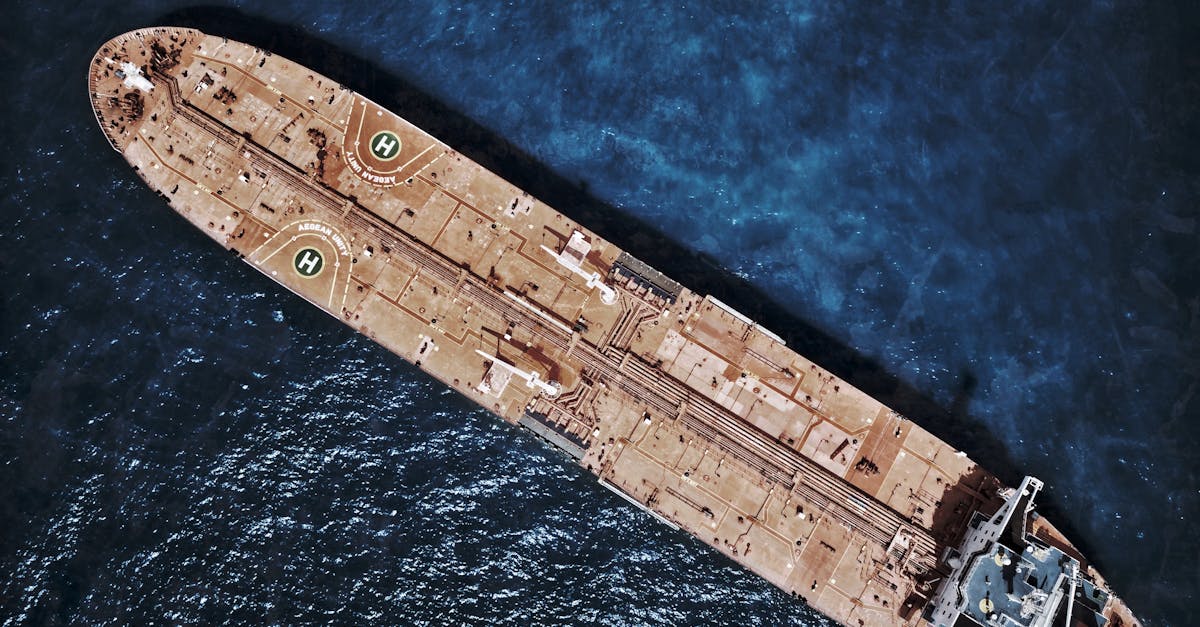
An F/A-18 Super Hornet launched from the aircraft carrier USS George H.W. Bush hit the empty tankers M/T Sea Star III and M/T Seveda with precision munitions, U.S. Central Command said in a statement. The two vessels were attempting to enter an Iranian port along the Gulf of Oman in violation of the American naval blockade, which CENTCOM said remains fully in effect.
“I hope it is a serious offer,” Secretary of State Marco Rubio told reporters in Rome, referring to the Iranian response the administration expected by the end of the day. “We are expecting a response from them today at some point.”
Iranian Foreign Minister Abbas Araghchi pushed back. “Every time a diplomatic solution is on the table, the U.S. opts for a reckless military adventure. Is it a crude pressure tactic?” Araghchi wrote in a social media post. He spoke by telephone with British Foreign Secretary Yvette Cooper and Turkish Foreign Minister Hakan Fidan on Friday. Araghchi has also travelled to China and Russia in recent weeks as part of a diplomatic push.
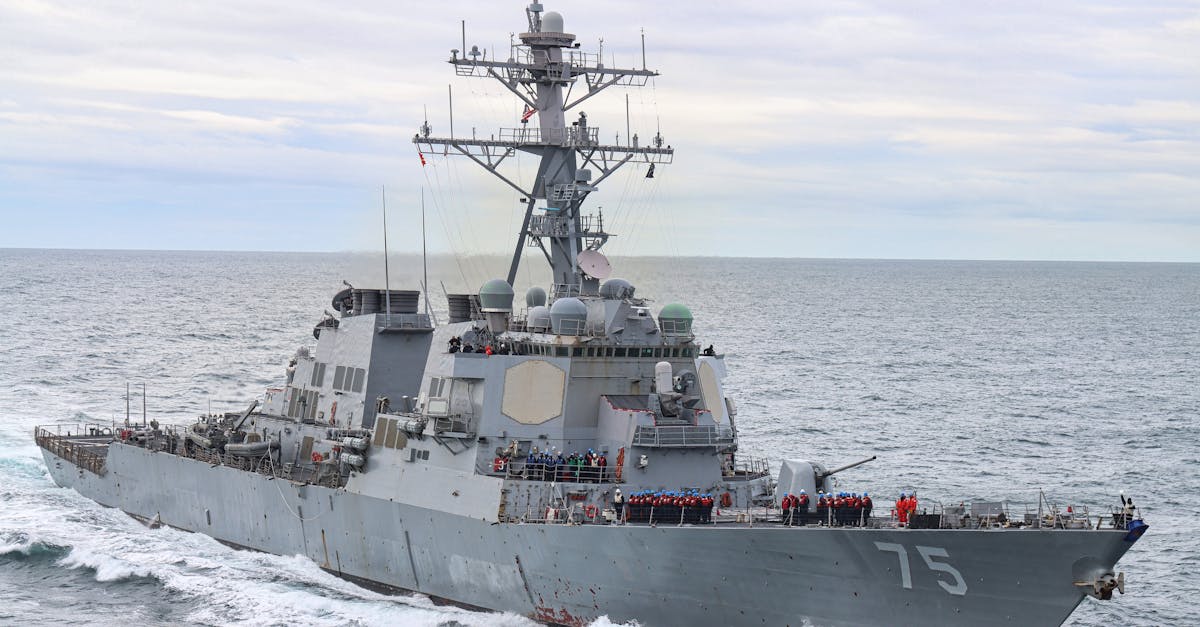
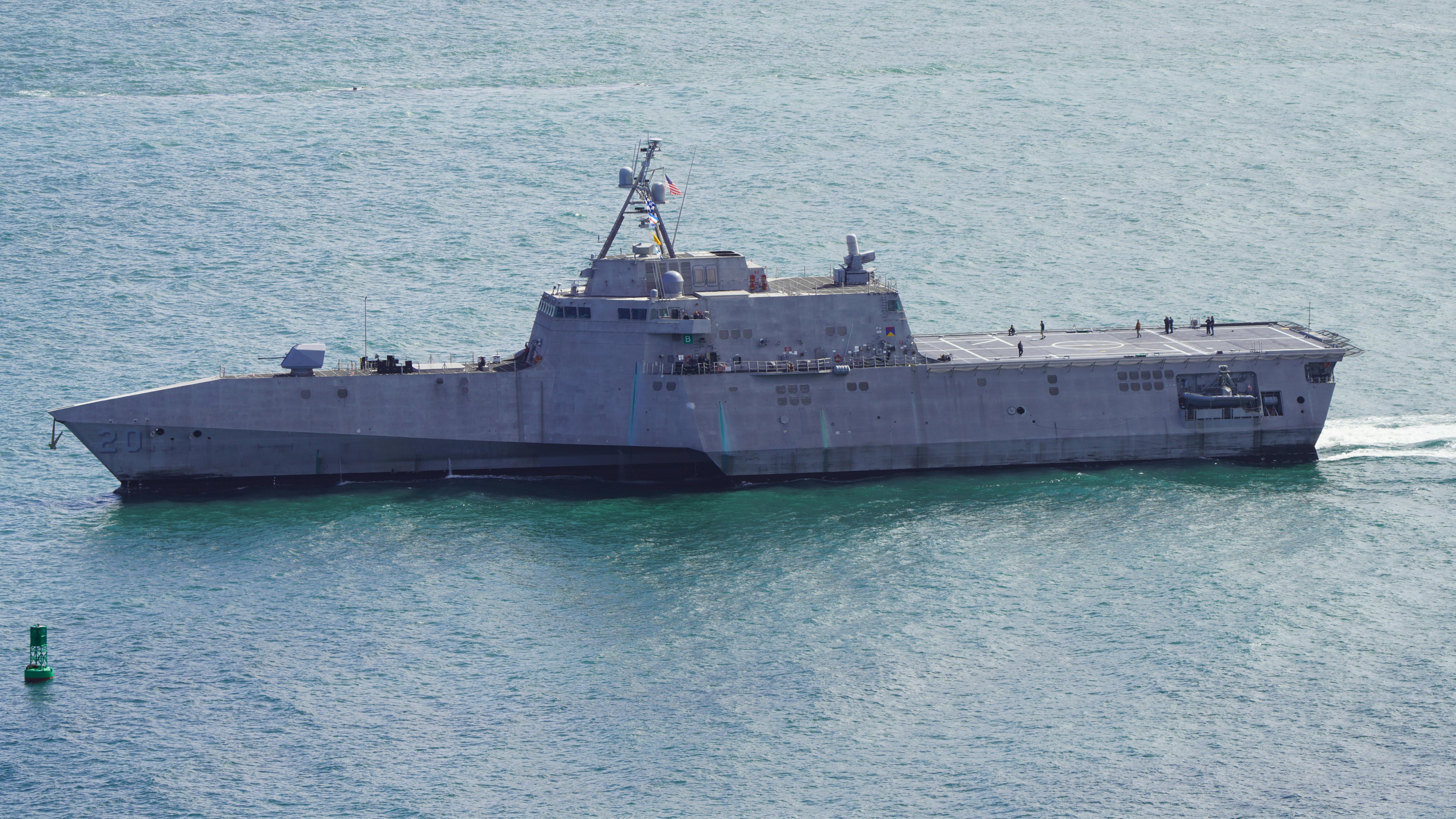
The tanker strikes followed an exchange of fire in the Strait of Hormuz on Thursday, when Iranian forces launched ballistic and cruise missiles, drones, and small boats at three U.S. Navy destroyers, the USS Truxtun, USS Rafael Peralta, and USS Mason, in what CENTCOM described as an unprovoked attack. U.S. forces responded by striking military facilities inside Iran, including missile and drone launch sites, command and control locations, and intelligence, surveillance, and reconnaissance nodes.
Iran claimed it had damaged the three American destroyers on Thursday. President Donald Trump said the vessels had exited the strait unscathed. Speaking to reporters before boarding Marine One on Friday, Trump called the exchanges a “trifle” and threatened to escalate beyond the existing naval patrols if no deal materialised.
“We’ll go a different route if everything does not get signed up, buttoned up,” Trump said. “It will be Project Freedom Plus, meaning Project Freedom plus other things.”
The original Project Freedom mission, a U.S. Navy operation to escort commercial vessels through the strait, ran for little more than a day before Trump paused it at Pakistan’s request to allow ceasefire negotiations to proceed. The naval blockade of Iranian ports remained in force throughout the pause.
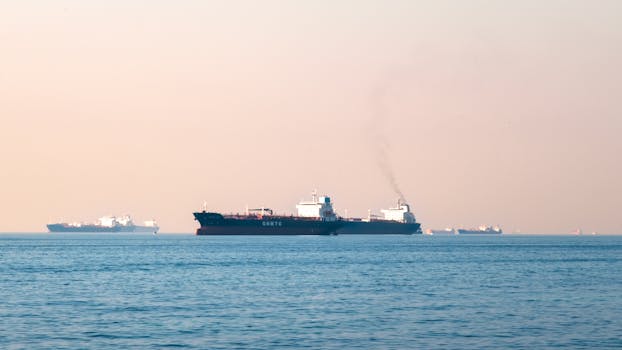
CENTCOM said more than 70 tankers were being prevented from approaching Iranian harbours, with a combined capacity of more than 166 million barrels of oil worth more than $13 billion. Iran has effectively closed the Strait of Hormuz, through which more than 20 per cent of the world’s oil and gas supplies transit, since the war began on 28 February.
Iran’s Foreign Ministry spokesman Esmaeil Baghaei told reporters on Friday that the reply to the American proposal was “still being reviewed, and once we reach a conclusion, we will announce it.” Asked about a U.S. deadline, he said, “we are doing our own job and pay no attention to such deadlines.”
The view from the Gulf
The United Arab Emirates said its air defence systems had engaged two ballistic missiles and three drones launched from Iran on Friday. Tehran accused UAE warplanes of participating in a U.S. strike on Qeshm Island in the strait and the coastal city of Bandar Abbas a day earlier.
Saudi Arabia has refused to grant Washington access to its bases or airspace for operations in the strait. A Saudi source told the Korea Times that Riyadh “felt it would just escalate the situation and would not work.”
What happens next
The American proposal, delivered through Pakistani mediators last weekend, demands that Iran allow free navigation through the waterway, remove all mines it has placed there, and cease charging tolls. It does not address an end to the U.S. blockade, which Iran has said is on its own list of demands.
Rubio said Iran’s establishment of a new agency to control strait traffic was unacceptable. “Their system is still highly fractured and a bit dysfunctional as well, so that may be serving as an impediment,” he added.
The temporary ceasefire declared in early April has been violated repeatedly, with each side accusing the other of breaking its terms. Iran’s ambassador to the United Nations, Amir Saeed Irvani, accused Washington of violating the truce in a letter to the world body. U.S. officials maintain the ceasefire remains in place and that the exchanges of fire this week have not crossed the line into full combat operations.
Trump told reporters he was expecting a letter from Tehran on Friday evening. “I am getting a letter supposedly tonight, so we will see how that goes,” he said.
Reporting by Karen DeYoung and Tara Copp in Washington, with additional reporting from the Korea Times and Washington Examiner.

Yara Halabi
Foreign affairs correspondent covering the Middle East, the Gulf and US foreign policy. Reports from London.