US disables two more Iranian tankers in Strait of Hormuz as ceasefire frays
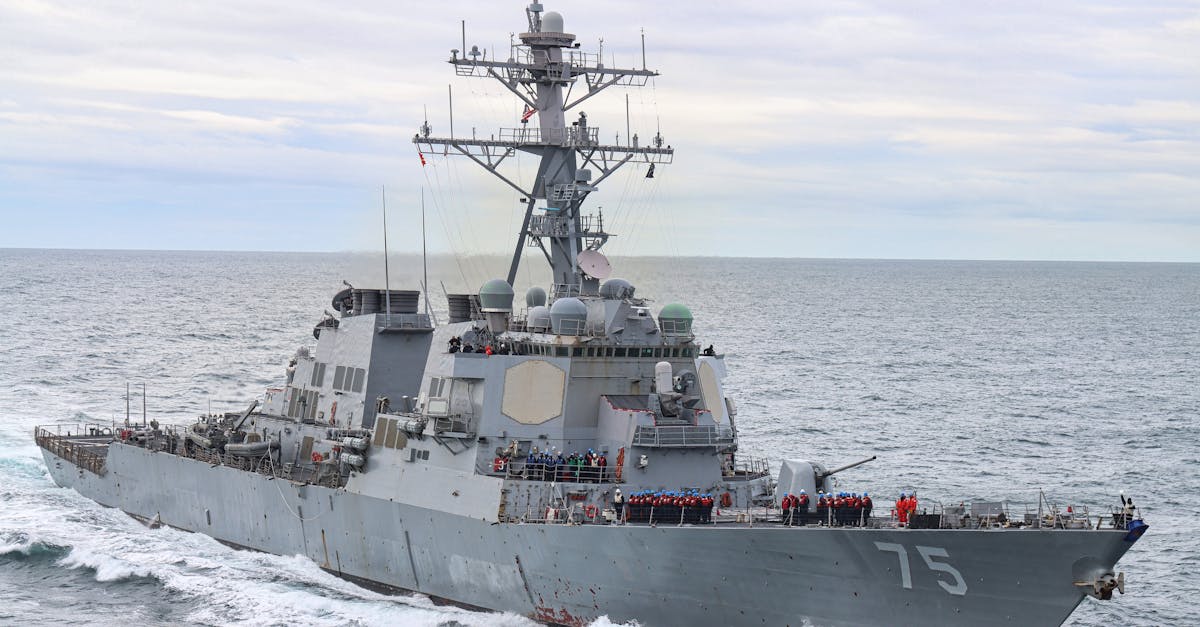
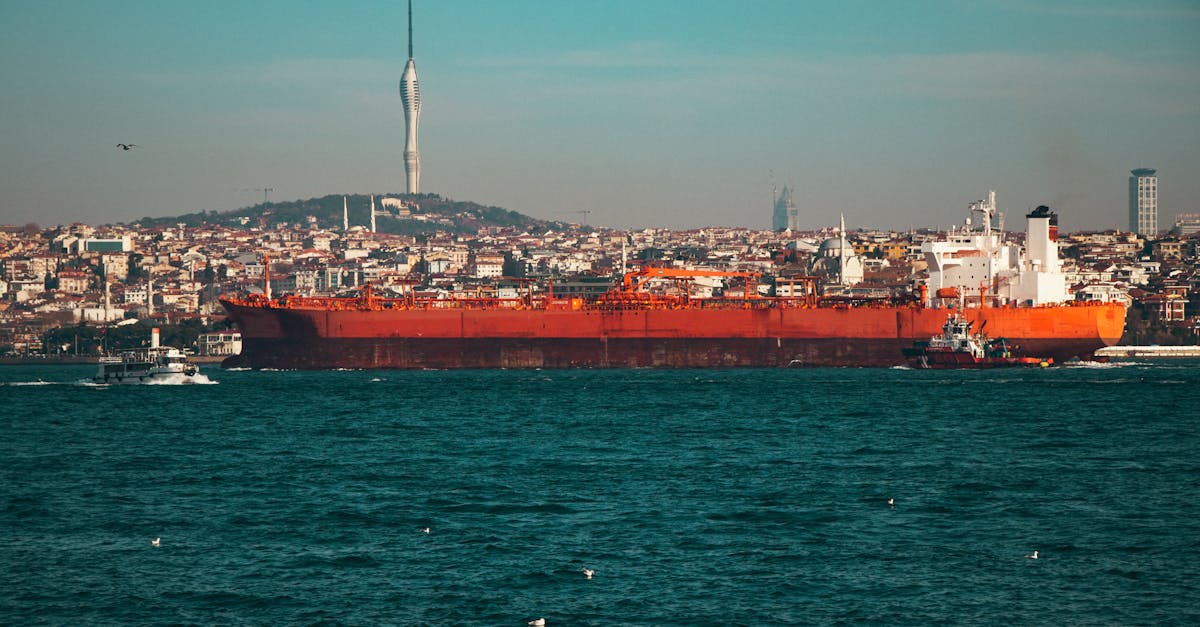
U.S. forces disabled two more Iranian oil tankers in the Strait of Hormuz on Friday, hours after Tehran fired ballistic missiles and drones at targets in the United Arab Emirates. The exchange was the most serious since the May 1 ceasefire and pushed Brent crude back above $103 a barrel.
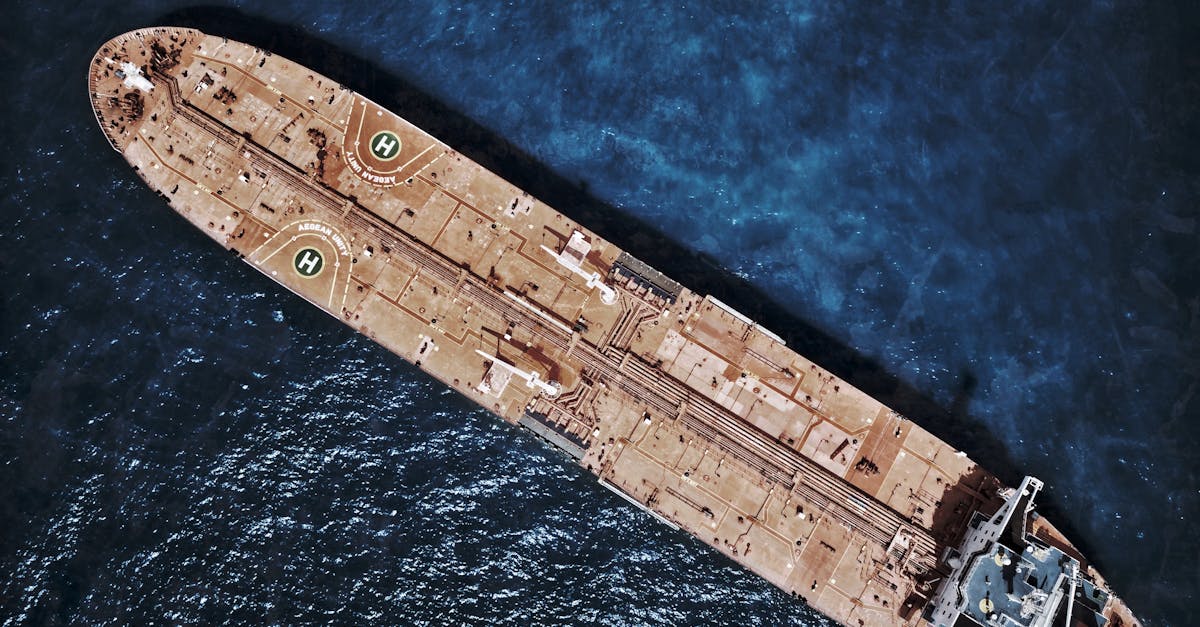
U.S. forces disabled two more Iranian oil tankers in the Strait of Hormuz on Friday, hours after Tehran fired ballistic missiles and drones at targets in the United Arab Emirates, the U.S. Central Command and the UAE Defense Ministry said. The exchange was the most serious since the May 1 ceasefire and pushed Brent crude back above $103 a barrel.
The UAE Defense Ministry said three people were wounded after air defences intercepted two ballistic missiles and three drones over the eastern emirates. President Donald Trump, asked about the ceasefire by reporters at the White House, said the truce remained in effect. He called the Hormuz strikes “just a love tap” and warned Iran that absent a deal, there would be “one big glow coming out of Iran.”
The strikes followed a sequence of tit-for-tat actions that began Wednesday and accelerated through Thursday night. The Iranian oil tanker fired on by the U.S. Navy on May 7 was the first direct U.S. action against Iranian shipping since the ceasefire took hold a week ago.
Two U.S. defence officials, speaking on condition of anonymity, said Friday’s tankers were disabled with naval gunfire after the vessels approached a U.S. destroyer in the Strait. Neither tanker was sunk. The crews were given the option to abandon ship and were taken aboard a U.S. patrol boat. Iranian state media said both vessels had been operating in lawful Iranian territorial waters and that the U.S. action was an act of war.
What Tehran has said
Iran’s foreign ministry called the U.S. operation a “blatant violation of international law” and said Tehran reserved the right to respond. The Islamic Revolutionary Guard Corps did not claim responsibility for the UAE strike, but state-aligned outlets quoted unnamed officials as saying the missiles and drones came from Iranian territory.
Pakistan, which has been mediating between Washington and Tehran, said negotiators on both sides were due to deliver a formal response to the U.S. peace proposal by midday Friday Washington time. State Department spokesperson Tommy Pigott said the administration expected Iran’s reply “later in the day” and that the proposal remained on the table.
UKMTO, the U.K. Maritime Trade Operations centre that tracks Gulf shipping, issued a navigation warning at 09:50 GMT after Friday’s tanker incident. Several oil majors paused tanker movements through the Strait pending clarification. Lloyd’s of London said war-risk premiums for Hormuz transit doubled overnight.
How the ceasefire is fraying
The May 1 ceasefire was negotiated through Pakistani and Omani channels following the U.S.-Israeli strikes that began on February 28. It paused but did not end the kinetic phase of the war. Both sides retained the right to engage shipping deemed in violation of pre-war sanctions or to interdict Iranian munitions transfers. The terms left wide latitude for the kind of incident that occurred on Friday.
Senior Iranian officials have said in recent days that the ceasefire would not survive a third U.S. tanker engagement. Friday’s action took the count to four engagements in a week. The Trump administration has framed each as an enforcement action rather than a breach.
UAE Crown Prince Mohamed bin Zayed Al Nahyan was briefed on Friday’s missile and drone attack within minutes, two diplomats said. Abu Dhabi has been pressing Washington to bring Iran to a permanent settlement. The UAE relies on the Strait for the bulk of its oil exports and has lost an estimated $4 billion in shipping revenue since the war began.
Markets and oil
Brent settled at $103.40 a barrel on Friday after rising 3.2 per cent in early trading. WTI closed at $99.85. Oil traders said the move would have been larger had the U.S. not signalled it intended to maintain a flow of Iranian crude to the global market through monitored corridors. Saudi Aramco’s June OSP, trimmed for Asia by $4 a barrel earlier this week, did not immediately change.
Equity markets shrugged off the Gulf news. The S&P 500 closed up 0.4 per cent. The dollar index gained 0.3 per cent against a basket of currencies. Gold rose to $2,485 an ounce.
What happens next
Pakistan’s foreign minister Ishaq Dar said both sides had agreed to a 24-hour pause following Friday’s exchanges to allow for a written Iranian response. The U.S. has scheduled a National Security Council meeting for Saturday morning Washington time. Trump is set to depart for Beijing on Sunday. Aides have said the China summit would proceed regardless of the Iran trajectory.
For Tehran the question is domestic. How much further is Supreme Leader Ali Khamenei willing to escalate before he accepts an off-ramp, and on what terms can he take one without losing the regime’s revolutionary credibility. For Washington, the cumulative tanker disablements and the Iran-UAE exchange may finally shift Iran’s cost calculus toward acceptance of the proposal Pakistan delivered Tuesday. For the Gulf, the answer arrives in hours.

Yara Halabi
Foreign affairs correspondent covering the Middle East, the Gulf and US foreign policy. Reports from London.