US disables two more Iranian tankers as Hormuz blockade holds
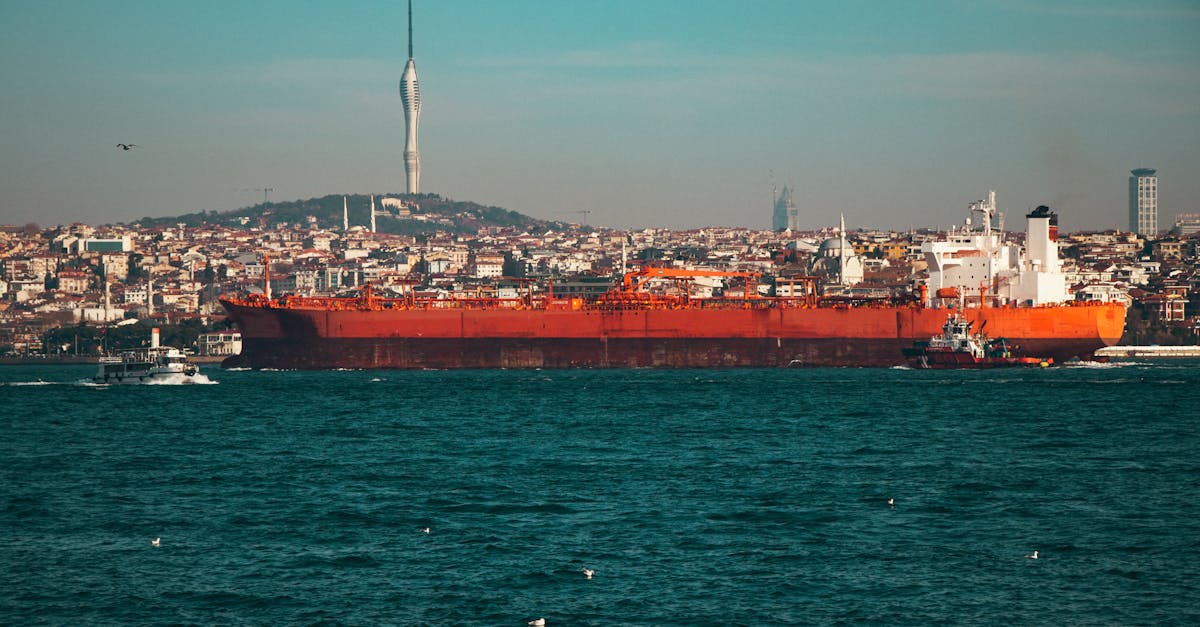
U.S. forces disabled two Iranian-flagged oil tankers in the Gulf of Oman on Friday after they attempted to breach the American naval blockade, Central Command said. The strike brought to four the number of Iranian tankers disabled since enforcement began and came as the UAE reported intercepting Iranian missiles and drones over its territory.
U.S. forces disabled two Iranian-flagged oil tankers in the Gulf of Oman on Friday after the vessels attempted to breach the American naval blockade of Iranian ports, Central Command said, extending the most intense week of hostilities in the Strait of Hormuz since the war began in February.
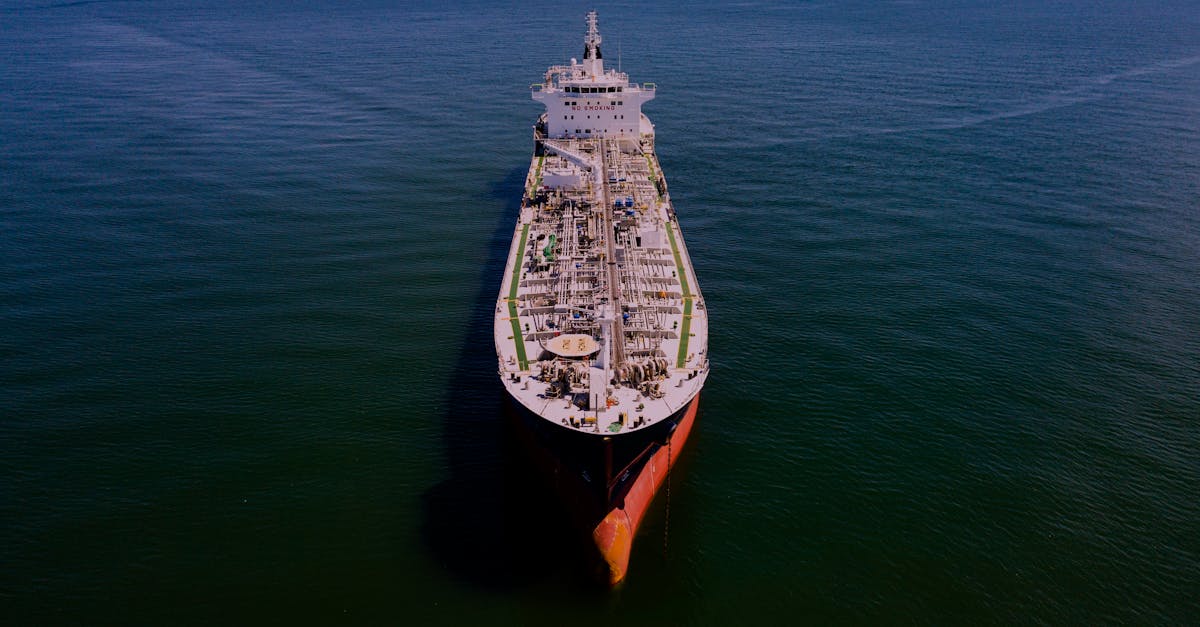
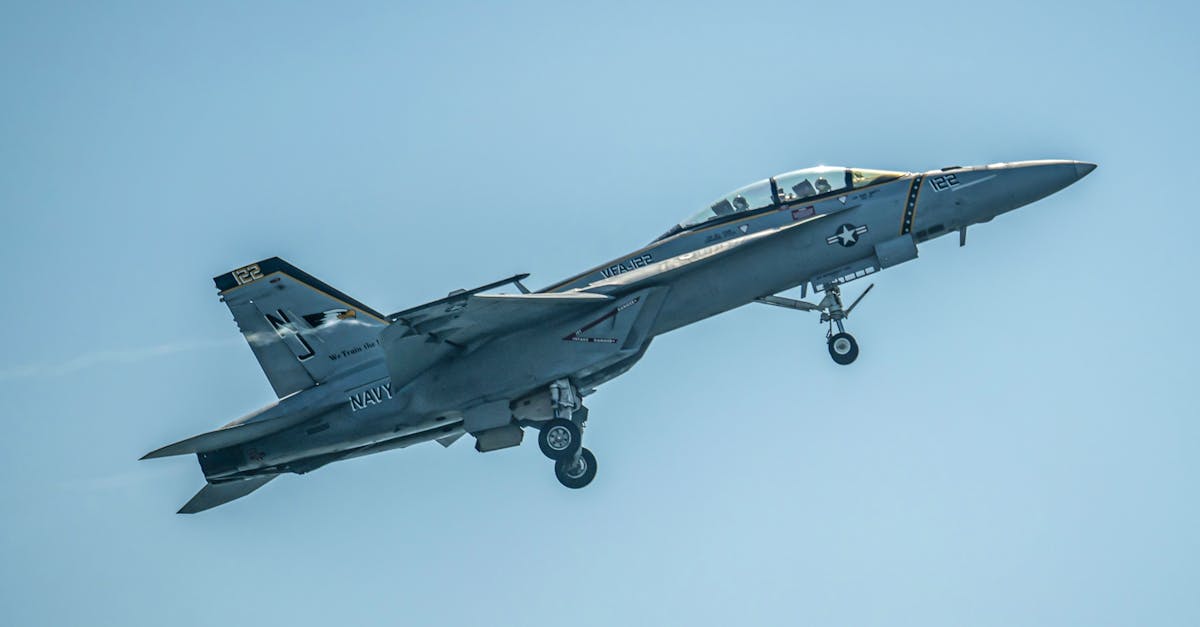
An F/A-18 Super Hornet launched from the aircraft carrier USS George H.W. Bush fired precision munitions into the smokestacks of the M/T Sea Star III and the M/T Sevda, disabling both ships before they could enter an Iranian port, CENTCOM said. The strike brought to four the number of Iranian tankers disabled by U.S. forces since enforcement of the blockade began.
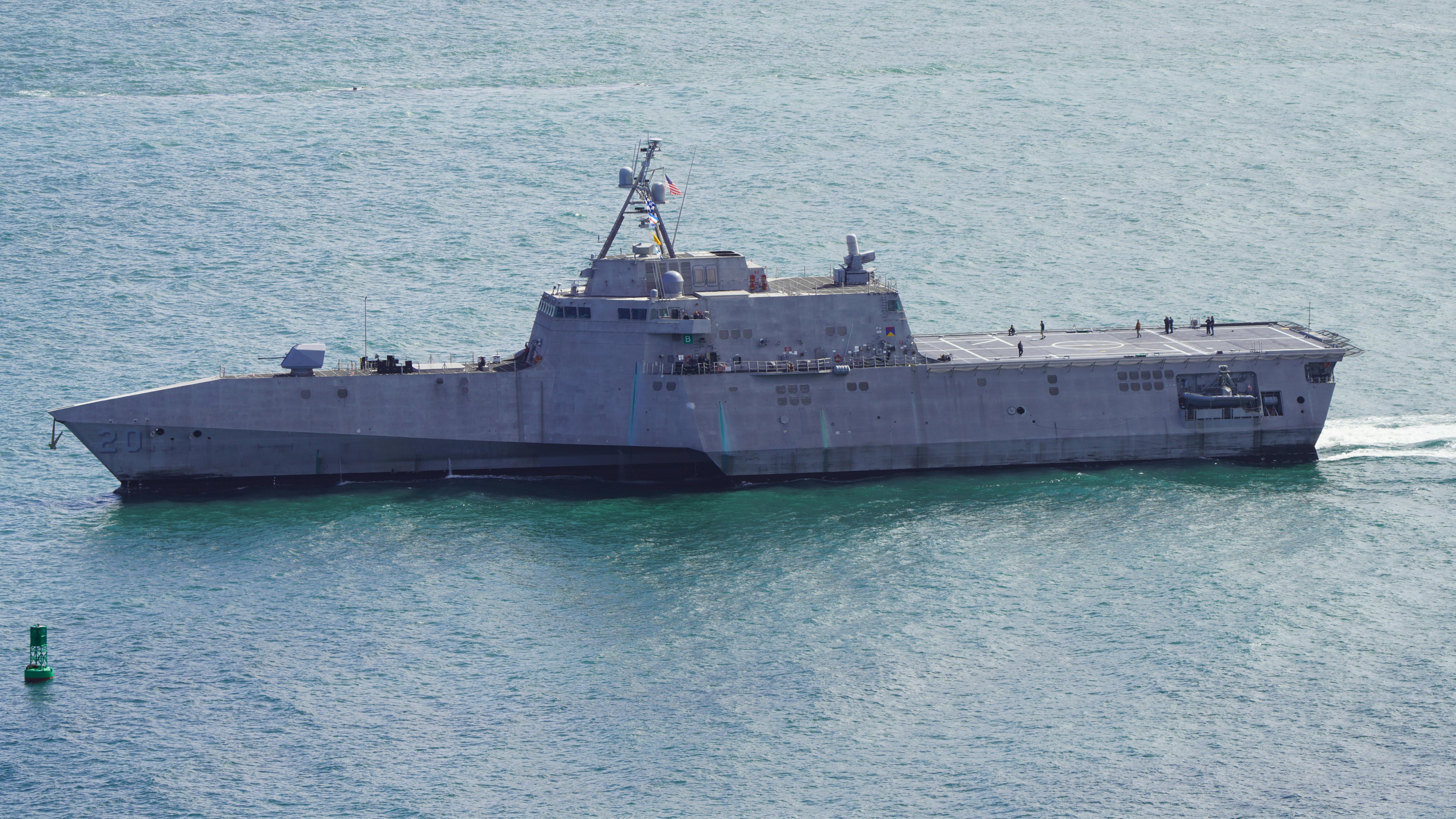
The disablements followed an overnight exchange in which Iranian forces attacked three U.S. Navy guided-missile destroyers transiting the strait with missiles, drones and fast boats, according to CENTCOM. The U.S. retaliated with strikes on Iranian military facilities. President Donald Trump claimed on social media that the attacking Iranian forces had been “completely destroyed.”
Hours later, the United Arab Emirates Defence Ministry said its air defences had engaged two ballistic missiles and three drones launched by Iran, wounding three people on Emirati soil, the Associated Press reported. It was the first confirmed report of Iranian ordnance landing in a Gulf Cooperation Council state since the conflict widened beyond the strait.
Secretary of State Marco Rubio, speaking during a fence-mending visit to Rome, framed the blockade as a matter of freedom of navigation. “Is the world going to accept that Iran now controls an international waterway? What is the world prepared to do about it?” Rubio told reporters. “They threaten Americans, they are going to be blown up.”
Iranian Foreign Minister Abbas Araghchi accused Washington of sabotaging diplomacy. “Every time a diplomatic solution is on the table, the U.S. opts for a reckless military adventure,” Araghchi wrote on X. A month-old ceasefire, already tenuous after repeated violations, was close to collapse.
The ships disabled
CENTCOM said the Sea Star III and the Sevda were both transiting the Gulf of Oman when they ignored warnings to divert. The Super Hornet fired into their smokestacks, a tactic designed to disable propulsion without sinking the vessels. The earlier disablement of the M/T Hasna on 6 May used 20mm cannon rounds to the rudder, a Navy official told Stars and Stripes.
Adm. Brad Cooper, the CENTCOM commander, said U.S. forces remain committed to full enforcement of the blockade of vessels entering or leaving Iran. Since enforcement began, American warships have redirected 57 commercial vessels and disabled four Iranian tankers.
The blockade, which Trump has called a “Wall of Steel,” was announced in April and applies to vessels of all flags entering or departing Iranian ports. Commercial traffic bound for non-Iranian destinations is permitted to transit the strait. More than 50 merchant ships have been redirected since enforcement began.
Oil slick at Kharg Island
Satellite imagery analysed by the maritime intelligence firm Windward AI detected an oil slick spanning 71 square kilometres near Kharg Island, Iran’s main crude export terminal. The firm estimated the spill at roughly 80,000 barrels. Nina Noelle, an international crisis operations expert at Greenpeace Germany, said the slick would most likely “dissipate offshore under prevailing conditions” but warned that repeated spills from damaged infrastructure could compound.
“This is the risk of fighting in an oil-rich area,” said Ami Daniel, Windward’s chief executive.
Separately, an oil tanker that passed through the strait in mid-April arrived off the coast of South Korea on Friday carrying 1 million barrels of crude, according to shipping data from Lloyd’s List Intelligence. South Korea imported more than 60 per cent of its crude through the strait last year.
Ceasefire on the brink
The renewed hostilities came as Trump’s “Project Freedom” mission to escort commercial vessels through the strait was paused on Tuesday, one day after it began. Defence Secretary Pete Hegseth described the pause as temporary, but industry groups warned that the sudden operational shift had made risk assessments impossible.
Jakob Larsen, chief safety and security officer at BIMCO, said the stop-start pattern of military operations had trapped vessel operators “between shifting military operations and mounting threats.” Indian sailors interviewed by Reuters described nightly missile barrages, food shortages and weeks trapped aboard their ships.
War-risk insurance premiums for vessels transiting the strait have surged. Lloyd’s List Intelligence reported that strait traffic remained “heavily disrupted” on Friday, with most major shipping lines continuing to reroute around the Cape of Good Hope.
A China-flagged oil tanker with a Marshall Islands registry was attacked near the strait earlier in the week. The Chinese crew survived without casualties, but the incident drew a sharp response from Beijing, which called on all parties to ensure the safety of commercial shipping.
What happens next
Rubio’s visit to Rome, part of a broader effort to repair transatlantic ties strained by the administration’s tariff policies, yielded no concrete diplomatic initiative on Iran. European leaders restated their call for an immediate ceasefire but offered no new enforcement mechanism.
In Washington, Representative Tom Barrett, a Michigan Republican, introduced a bill on Friday that would require the president to end military operations against Iran by 30 July. The legislation faces long odds in the House but signalled the first organised Republican dissent against the administration’s prosecution of the war, now in its third month.
Araghchi, in his social media post, said Iran remained open to talks mediated by Oman. A previous round of Muscat-brokered negotiations produced the ceasefire that took effect in April but which neither side has fully observed. U.S. officials said privately that Washington would not return to the table while Iranian tankers continued to test the blockade.

Yara Halabi
Foreign affairs correspondent covering the Middle East, the Gulf and US foreign policy. Reports from London.