Taiwan parliament passes $24.8bn special defense budget to deter China
Taiwan's parliament approved a NT$780 billion special defense budget on Friday, granting President Lai Ching-te a significant portion of the military spending he requested before his planned trilateral meeting with Trump and Xi in Beijing.
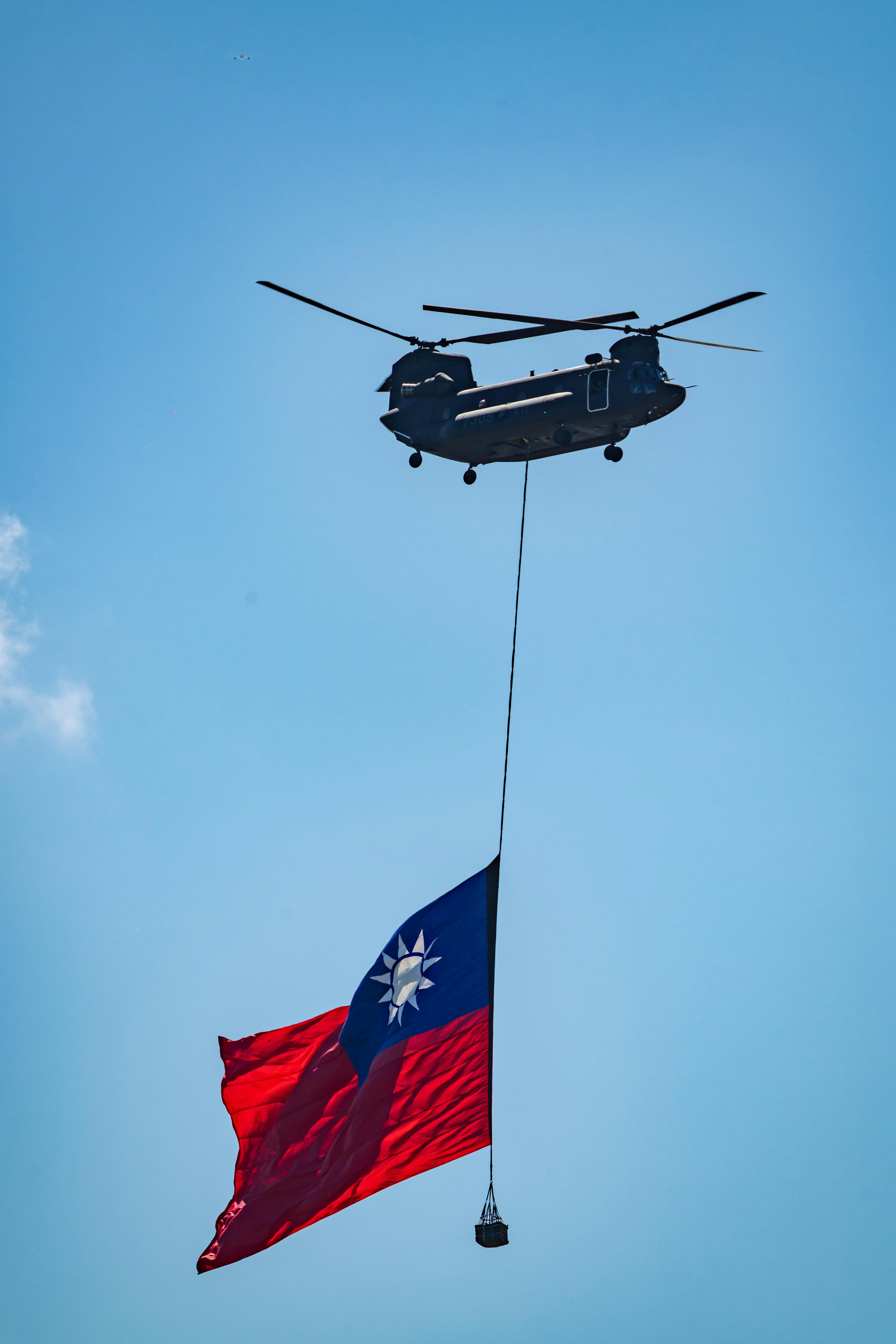
Taiwan’s parliament approved a NT$780 billion ($24.8 billion) special defense budget on Friday, granting President Lai Ching-te a significant portion of the military spending he requested days before his planned meeting with Donald Trump and Xi Jinping in Beijing.
The Legislative Yuan voted 58-42 to pass the package, which funds missile procurement, naval expansion and air-defense upgrades across the island. The approved sum is lower than the NT$1.25 trillion Lai originally proposed but well above the NT$380 billion counter-offer from the opposition Kuomintang, which argued the full request would strain public finances.
The vote came as Taiwan’s National Security Bureau director-general Tsai Ming-yen warned that China may attempt to use the upcoming Trump-Xi summit to advance its territorial claims. “The Chinese communists may attempt some maneuvering during the talks,” Tsai told lawmakers in a closed-door briefing that was subsequently described to reporters. He added that the US had “continuously reaffirmed” its Taiwan policy had not changed.
Budget breakdown
The package allocates approximately NT$280 billion for coastal defense systems, including additional Harpoon anti-ship missile batteries and a second batch of naval strike missiles developed by Taiwan’s state-run Chungshan Institute of Science and Technology. A further NT$200 billion is earmarked for submarine construction under the indigenous defense submarine program, with two new hulls to be laid down by 2028.
Air-defense spending accounts for NT$180 billion, covering upgrades to the island’s Patriot battery network and procurement of additional medium-range surface-to-air missiles. The remaining NT$120 billion funds cyber-defense infrastructure, signals intelligence equipment and expanded training for reserve forces.
Political context
Speaker Han Kuo-yu, who presided over the vote, said the chamber had acted to provide the military with the resources needed to defend the island. Debate in parliament was sharply divided, with Kuomintang legislators arguing the budget was too large and risked provoking Beijing, while Democratic Progressive Party members said the spending was necessary to deter Chinese aggression.
The budget’s passage comes as Secretary of State Marco Rubio warned that a Chinese attempt to alter the status quo in the Taiwan Strait would count among the “destabilizing events” the US would not tolerate. Randall Schriver, a former Pentagon official now advising the administration on Asia policy, told a Senate hearing this week that Taiwan’s self-defense investment was a factor in Washington’s strategic calculations.
Summit backdrop
Lai is expected to meet Trump and Xi in Beijing on May 12 for trilateral talks that will cover trade, technology and security issues across the Indo-Pacific. Taiwan’s delegation has signaled that defense cooperation and arms procurement timelines will be on the agenda alongside broader diplomatic messaging about cross-strait stability.
China has condemned the special budget as a provocation, with the foreign ministry in Beijing stating that Taiwan’s military spending would not change what it called the inevitable outcome of reunification. Chinese state media described the parliamentary vote as a “serious violation of the One-China principle” and warned of unspecified consequences.
The budget negotiations played out against the backdrop of heightened military activity in the Taiwan Strait. China has conducted two rounds of air-force exercises near the median line in the past month, and Taiwan’s defense ministry reported an increase in Chinese naval patrols east of the island during the week of the budget vote.
What happens next
The defense ministry now has 90 days to submit a detailed procurement plan to parliament for approval, including contractor selections and delivery timelines. The first tranche of funding is expected to be released by September, with priority given to coastal defense systems and submarine construction.
Taiwan’s military budget for 2026, including the special appropriation and the regular defense allocation, will total approximately NT$1.1 trillion, or about 2.8 per cent of GDP. That figure remains below the 3 per cent threshold that US officials have privately encouraged Taipei to target since the 2022 Russian invasion of Ukraine underscored the importance of sustained defense investment.

Theo Larkin
Defense correspondent covering US military operations, weapons procurement and the Pentagon. Reports from Washington.