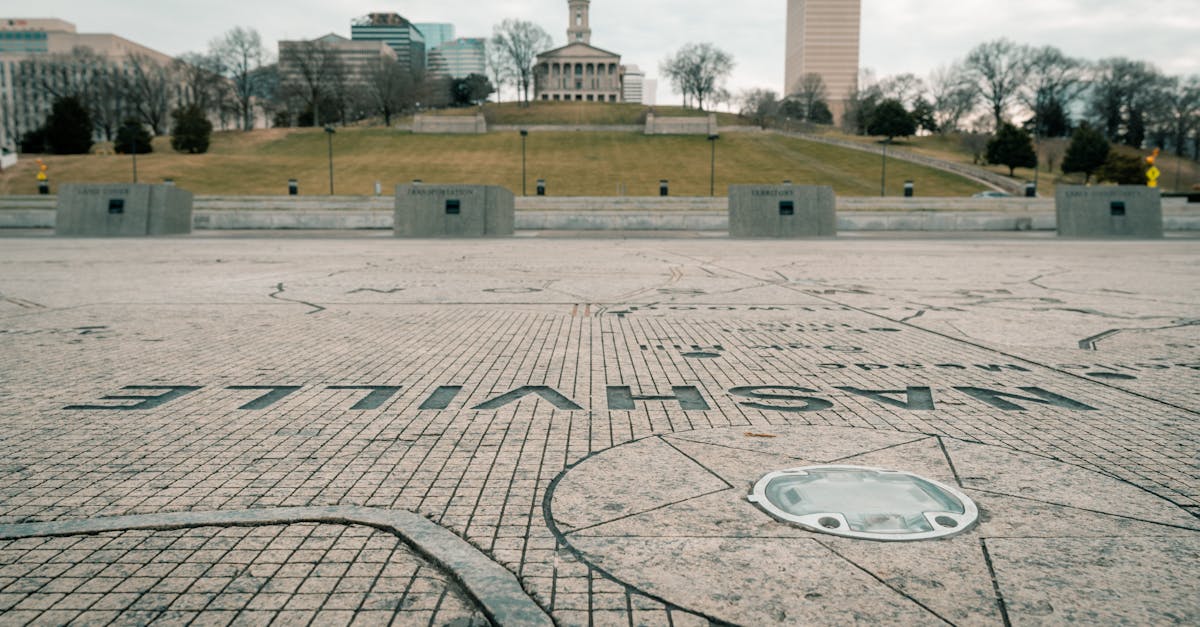
Tennessee Republicans pass map splitting Memphis as Cohen vows lawsuit
House votes 64-25 to split majority-Black 9th District. Cohen says he will sue in state court on First Amendment timing grounds.
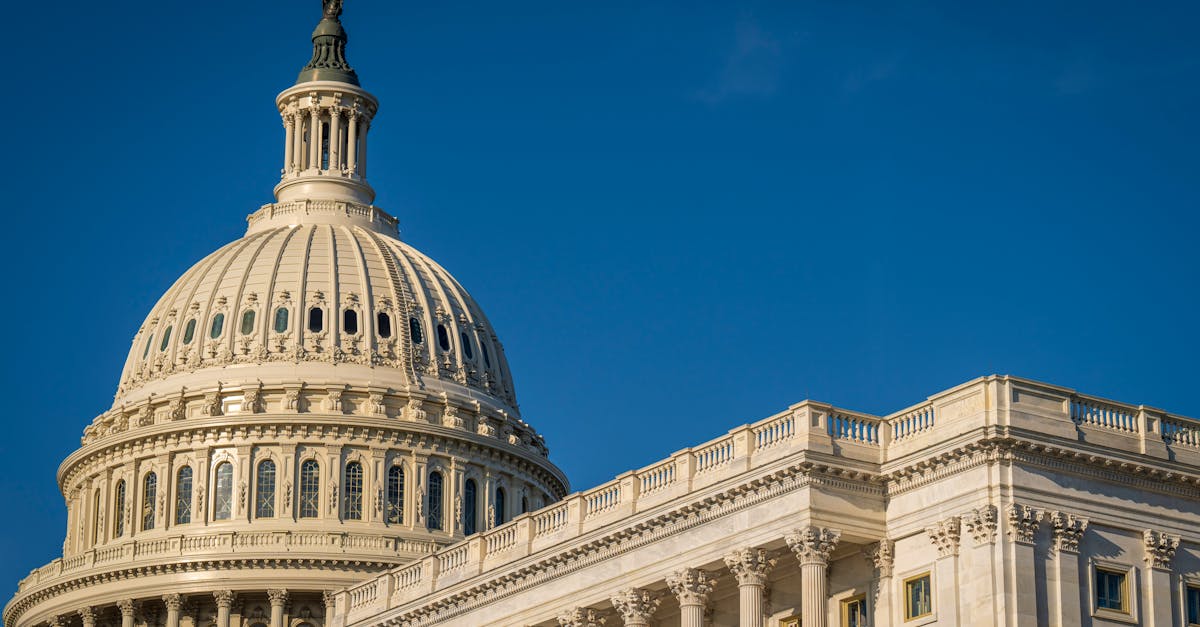
Tennessee Republicans on Thursday pushed through a new congressional map that splits Memphis among three districts, eliminating the state’s only majority-Black House seat and triggering a vow from Rep. Steve Cohen, the Memphis Democrat whose district is dismantled, to file a state-court lawsuit.
The Tennessee House passed the map 64 to 25 with three members abstaining. The state Senate approved it later in the day. Lt. Gov. Randy McNally, a Republican from Oak Ridge, defended the result. “We have passed a fair and legal congressional map that reflects the longstanding conservative character of Tennessee,” he said in a statement after the vote.
The map carves up Tennessee’s 9th Congressional District, currently represented by Cohen, and folds majority-Black sections of Memphis into three Republican-leaning districts that stretch east into the Tennessee Valley. Tennessee Republicans now hold an 8 to 1 advantage in the state’s US House delegation. Under the new map, the GOP could hold a 9 to 0 sweep, party officials said.
State Rep. Jason Zachary, a Republican from Knoxville, was blunt about the goal in floor debate. “This map was drafted based on politics, based on population and the opportunity for the first time in history for us to send an entire Republican delegation from Tennessee to represent the state in Washington, D.C.,” he said. State Sen. John Stevens added: “This bill represents Tennessee’s attempt to maximize our partisan advantage.”
The Memphis fight
Memphis Democrats accused Republicans of dismantling Black political power. State Rep. Justin J. Pearson, a Memphis Democrat, took aim at Trump from the floor. “These maps are racist tools of white supremacy at the behest of the most powerful white supremacists in the United States of America, Donald J. Trump,” Pearson said. “What you are doing today is eviscerating the only Black-majority congressional district in our state because we are majority Black.”
State Sen. London Lamar, also a Memphis Democrat, said in floor debate: “You cannot take a majority Black city, fracture its voting power and then tell us race has nothing to do with it.”
Cohen, who has represented the 9th District for nearly two decades, told reporters in Memphis that he would join a state-court lawsuit as a plaintiff. “There will be a lawsuit in state court. I will be a plaintiff among others,” he said. He framed the legal theory around the timing of the redraw, not its racial composition.
“We’ve been campaigning hard since the filing deadline in March, but since really October,” Cohen said. “And that’s a First Amendment violation.”
He suggested the relief he is seeking is a delay rather than a permanent block. “If the courts rule that this district has not had enough time to have an election, and the election process has already started, that would infringe on First Amendment rights of candidates who’ve already started campaigning,” he said. “If that’s effective, Congress District 9, as it’s been now, the majority minority district, will continue to 2028.”
Why now
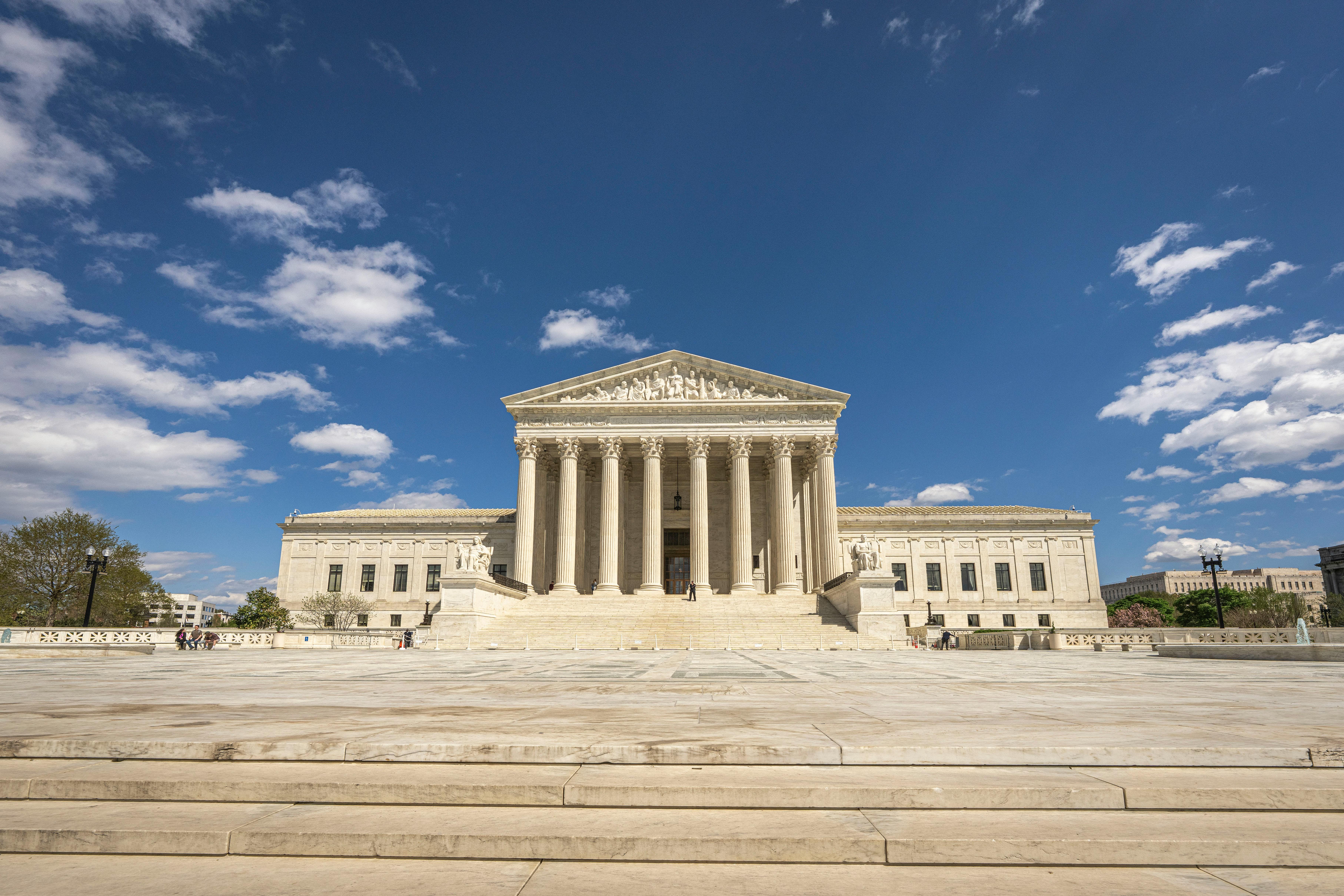
Tennessee’s special session is one of the first mid-decade redraws to follow the Supreme Court’s recent ruling weakening Section 2 of the Voting Rights Act and removing federal review of majority-minority districts in states with histories of Black disenfranchisement. Trump has publicly urged Republican-controlled states to redraw maps before the 2026 midterms to lock in House seats.
Florida, Louisiana, Alabama and Texas are at varying stages of similar work. Tennessee is the first to pass a map that eliminates a sitting Black-majority district outright. Republicans had not previously held a 9 to 0 delegation in the state.
The new map’s effective date for the 2026 midterm cycle was not specified in floor debate. Cohen’s First Amendment argument turns on the calendar: candidates who filed under the old map are already campaigning in districts that no longer exist.
What happens next
Cohen’s state-court filing is expected within days. National Democratic groups that work redistricting cases are expected to coordinate with Tennessee plaintiffs.
Other Republican-controlled states have also begun redraws this cycle in line with Trump’s call. Tennessee is the first to enact a map that eliminates a sitting Black-majority district outright. Trump has not publicly commented on the Tennessee vote.
Cohen’s challenge will be among the first state-court tests of election-timing First Amendment claims following the Supreme Court’s narrowing of federal Voting Rights Act enforcement.

Ramona Castellanos
US politics correspondent covering Congress, primaries and the Trump administration. Reports from Washington.