Oil rises above $102 as US and Iran trade fire in Strait of Hormuz
Brent crude rose 2.64 per cent to $102.70 a barrel on Friday after the US and Iran exchanged fire in the Strait of Hormuz in the most serious confrontation since the ceasefire took effect in early April.
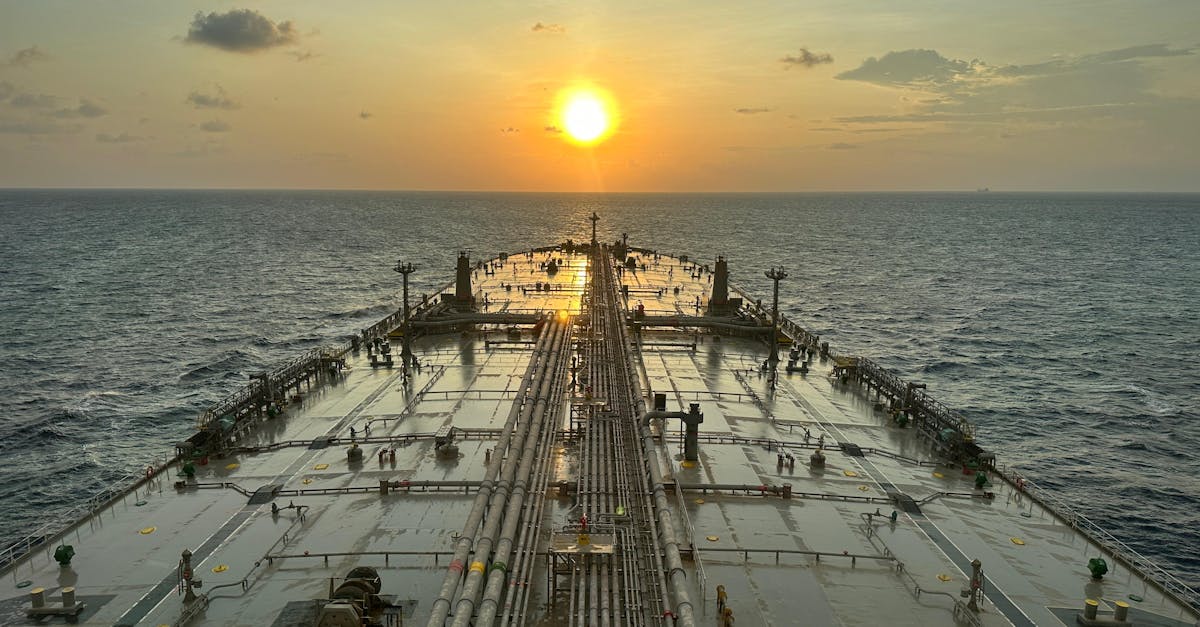
Brent crude climbed 2.64 per cent to $102.70 a barrel on Friday after the United States and Iran exchanged fire in the Strait of Hormuz in the most serious breach of the two-month-old ceasefire.
West Texas Intermediate rose 1.95 per cent to $96.66. Both benchmarks had been on a three-day losing streak before the confrontation, falling more than 6 per cent for the week even after Friday’s bounce.
The price spike reversed a decline driven by optimism that the US and Iran were nearing a framework agreement to formally end the war and reopen the waterway, which has been effectively closed since February 28.
Three US Navy destroyers came under fire from Iranian missiles, drones and small boats while transiting the strait on Thursday, US Central Command said. The US military said it eliminated inbound threats and struck Iranian military facilities responsible for attacking its forces.
Tehran accused Washington of violating the truce by targeting an Iranian oil tanker and another vessel. A spokesman for Iran’s Khatam Al Anbiya joint military command said the US had breached the ceasefire.
President Donald Trump said the ceasefire remained in effect and downplayed the significance of the exchange. “There was no damage done to the three Destroyers, but great damage done to the Iranian attackers,” Trump said. He suggested the ceasefire was still intact because otherwise there would be “one big glow coming out of Iran.”
Asian equity markets fell as the confrontation dampened hopes for a quick resolution. Japan’s Nikkei 225 dropped 0.29 per cent. Hong Kong’s Hang Seng fell 1.01 per cent. Australia’s S&P/ASX 200 retreated 1.38 per cent. China’s Shanghai Composite slipped 0.1 per cent. Indian stocks traded 0.57 per cent lower. US benchmarks also dropped on Thursday as news of the fire exchange emerged.
The oil price move comes at a time when investors were already balancing competing narratives. A tech-driven rally fuelled by AI optimism had pushed Asian semiconductor stocks higher this week, with South Korea, Taiwan and Japan posting strong gains. But the geopolitical risk from the Gulf conflict is now colliding with that momentum.
The escalation comes days after Iranian attacks on targets in the UAE set an oil facility in Fujairah ablaze. Trump paused his “Project Freedom” initiative to guide merchant vessels through the strait after Saudi Arabia refused to allow Washington use of its bases and airspace.
The ceasefire took effect in early April and has held through repeated skirmishes. Analysts said Thursday’s confrontation was the most serious challenge to the truce so far. Michael Brown at Pepperstone said the ceasefire was still intact and talks between the two sides had moved forward. Ipek Ozkardeskaya, senior analyst at Swissquote Bank, was less certain. “We have no idea how the situation will evolve, but the track record of the past two months is not really encouraging,” she said.
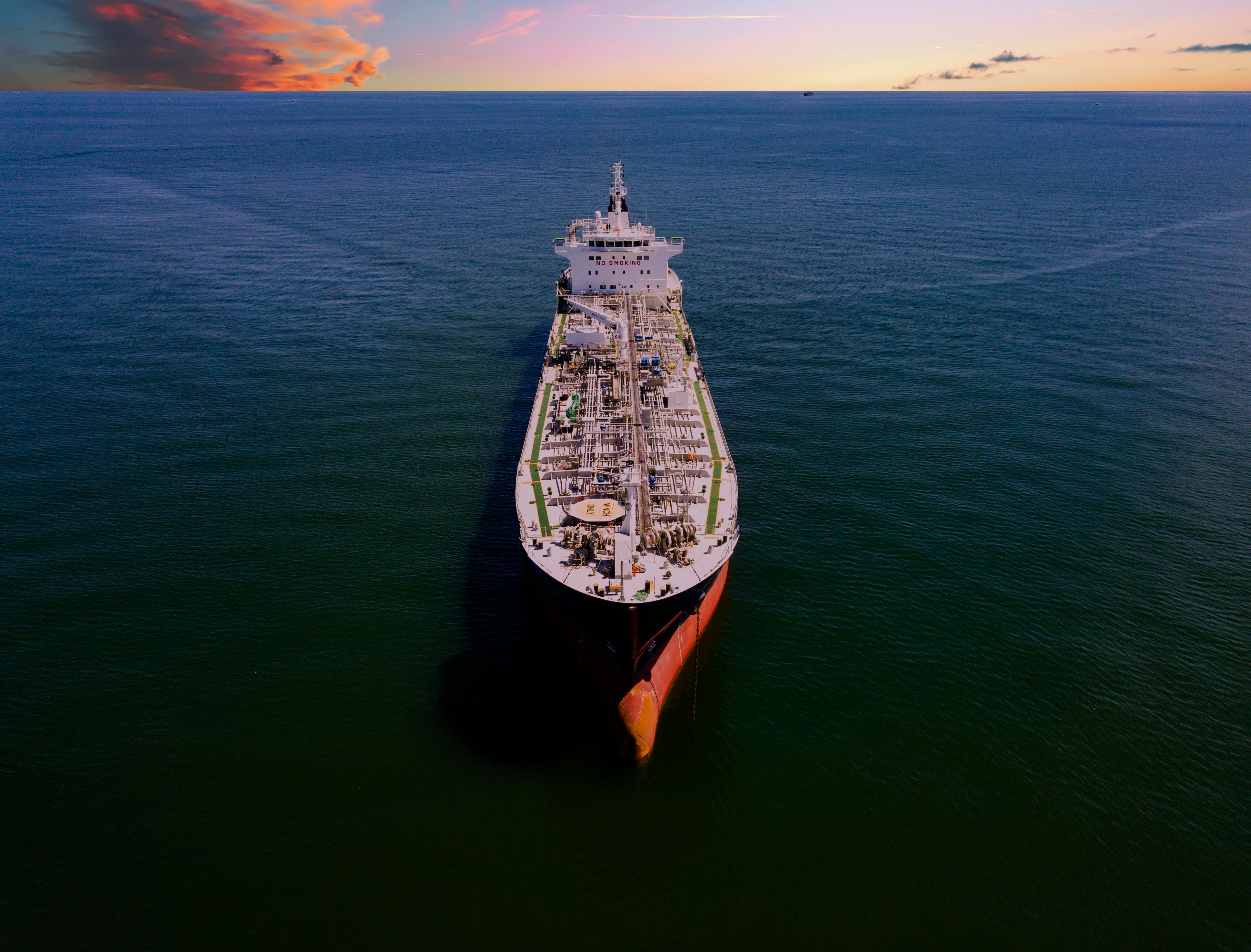
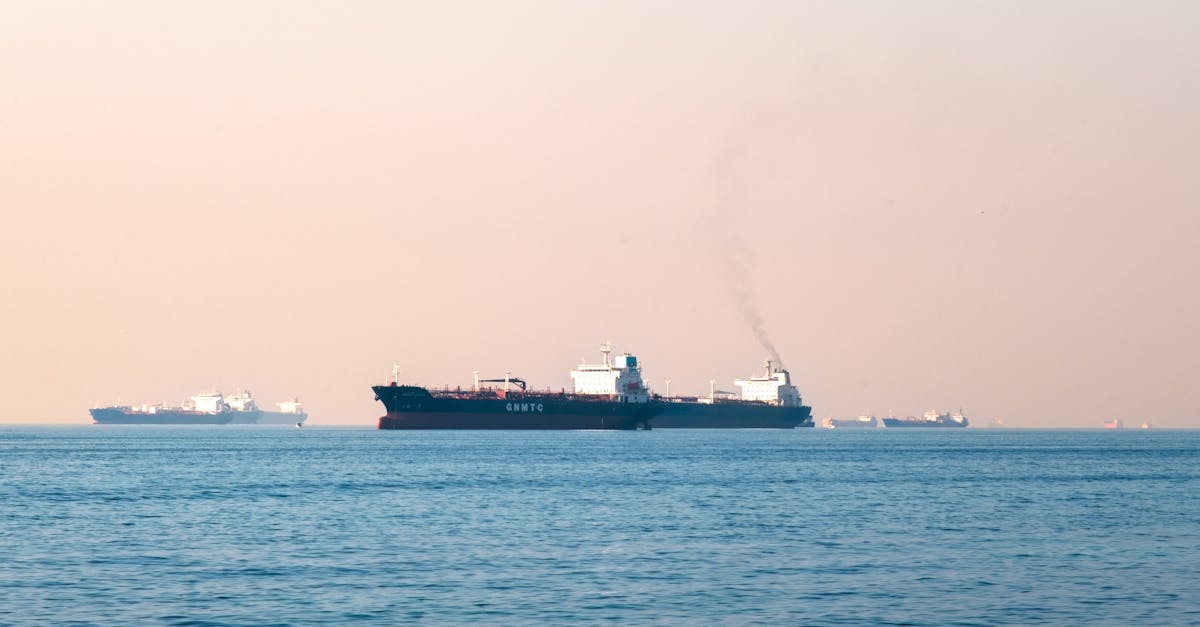
The Strait of Hormuz handles roughly one-fifth of global oil consumption. The waterway has been effectively shut since late February. That is why Brent has stayed above $100 for most of the past two months. Prices hit $120 briefly when Iran struck targets in the UAE earlier in the conflict.
The closure has already changed how crude moves around the world. Tankers now go around Africa instead. Asian refineries are drawing down stockpiles. Every week the strait stays closed, the supply problem gets worse for countries that depend on Gulf oil.
Josh Owens of OilPrice.com said: “Volatility remains the only certainty in today’s oil markets, with physical shortages becoming an increasingly visible problem around the world.”
The UAE activated its air defence systems on Friday against Iranian drone and missile threats. It was a sign that the risks have not gone away even with a ceasefire in place.
Oil above $100 a barrel feeds into inflation. The Federal Reserve has been watching energy costs as it thinks about what to do with interest rates. When transport and fuel prices rise, the cost of everything from food to manufactured goods goes up too. The Bank of England and the European Central Bank face the same problem, though weaker demand from China has helped offset some of the pressure.
What comes next depends on whether the confrontation gets worse or both sides go back to talking. Project Freedom is suspended. Washington and its Gulf allies are not on the same page. And there was just an exchange of fire in the strait. All of it points to oil staying elevated.
Trump is due in Beijing on May 14 for trade talks with Xi Jinping. That trip could pull the administration’s attention away from the Iran situation. Treasury Secretary Scott Bessent and Trade Representative Jamieson Greer are expected on the trip. US employment data due later Friday could shift rate expectations too.
For now traders are betting on more volatility. The strait stays closed. The ceasefire is fraying. The diplomatic path is unclear. Oil will probably stay above $100 until someone finds a way to reopen Hormuz.

Pria Kothari
Energy and commodities correspondent covering OPEC, oil markets and the Gulf. Reports from London.